




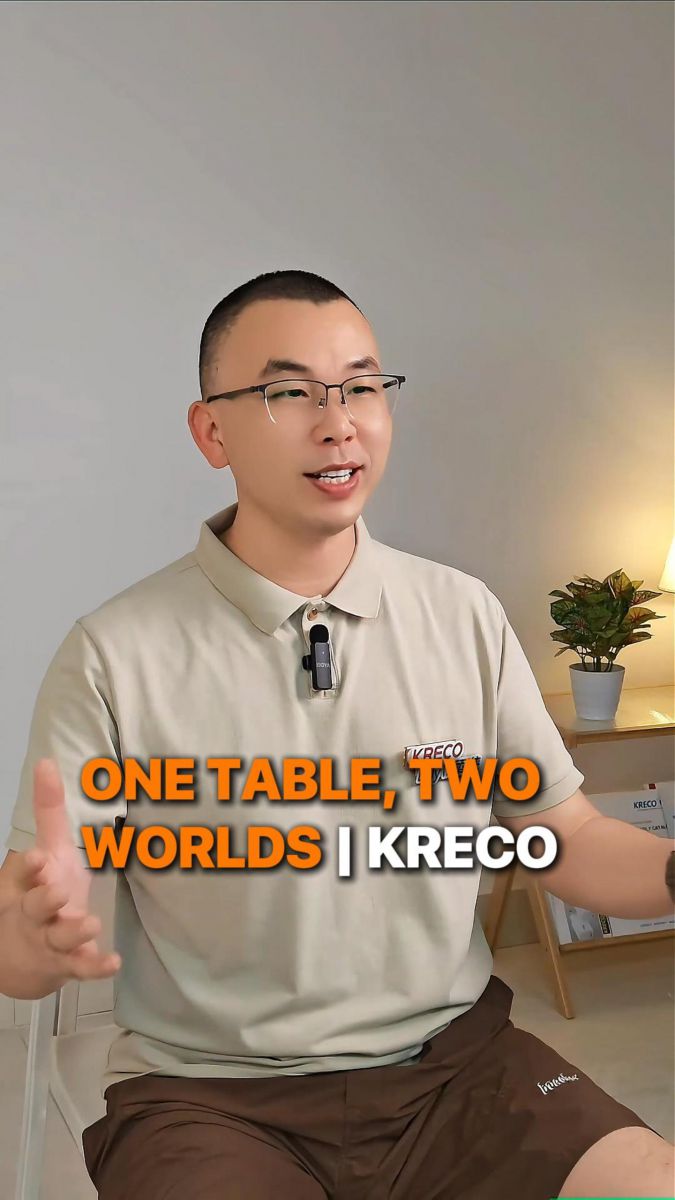
My American friend always asks: "Why not eat separately? Isn't it troublesome to share food?" The difference also shows at formal banquets. At Western dinners, plates are pre-set with proper portions — no need to be modest. Chinese banquets always serve more than enough. Hosts keep serving guests and say "we don't have much special" even when the table is full. Western friends often wonder: "There's already so much food. Why say that?"
Behind these differences lies China's ancient philosophy: harmony in diversity. Growing together, Chinese dining focuses on bonding. It connects family and friends. Western individual meals pursue personal comfort and convenience. Western knives and forks symbolize independence. Chinese chopsticks stand for connection. We value living together over only caring for ourselves.
Food tastes better together. People feel warmer together. The Book of Rites says food and relationships are basic human needs — showing the wisdom of sharing meals. Western friends gradually understand that Chinese shared eating is a life philosophy. Beauty is in sharing. Harmony is in togetherness.
This is Chinese wisdom in daily life: finding precious connections and peace in sharing.
 粤ICP备19148190号