

Why China's new component policy makes reliability non-negotiable
The policy targets components used in AI, aerospace, and next-generation communications equipment. The requirement is straightforward: "mature and reliable shelf products" — meaning components that are proven, batch-consistent, and backed by verifiable quality data. Not just cheap. Not just available. Proven.
The policy specifically calls out three high-stakes industries where component failure is not an option. Each of these sectors shares a common requirement: the power supply inside their equipment must not fail.
If you supply power adapters into any of these markets — or into the industrial equipment, medical devices, and commercial systems that follow similar reliability standards — this policy directly affects your procurement decisions.
The math is brutal. A cheap power supply saves you maybe 15 to 20 percent on the unit cost. But when it fails in the field, the cost multiplies. Warranty claims. Return logistics. Replacement units. Customer downtime. Lost trust. One bad batch can erase the savings from hundreds of good units.
If your power supply dies in the field, your whole product goes down with it. One bad batch of cheap products can wipe out your profit in warranty claims. The government policy is essentially codifying what experienced procurement professionals already know: the cheapest component is almost never the least expensive one.
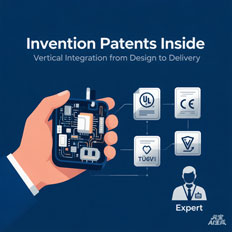
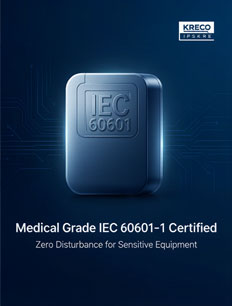
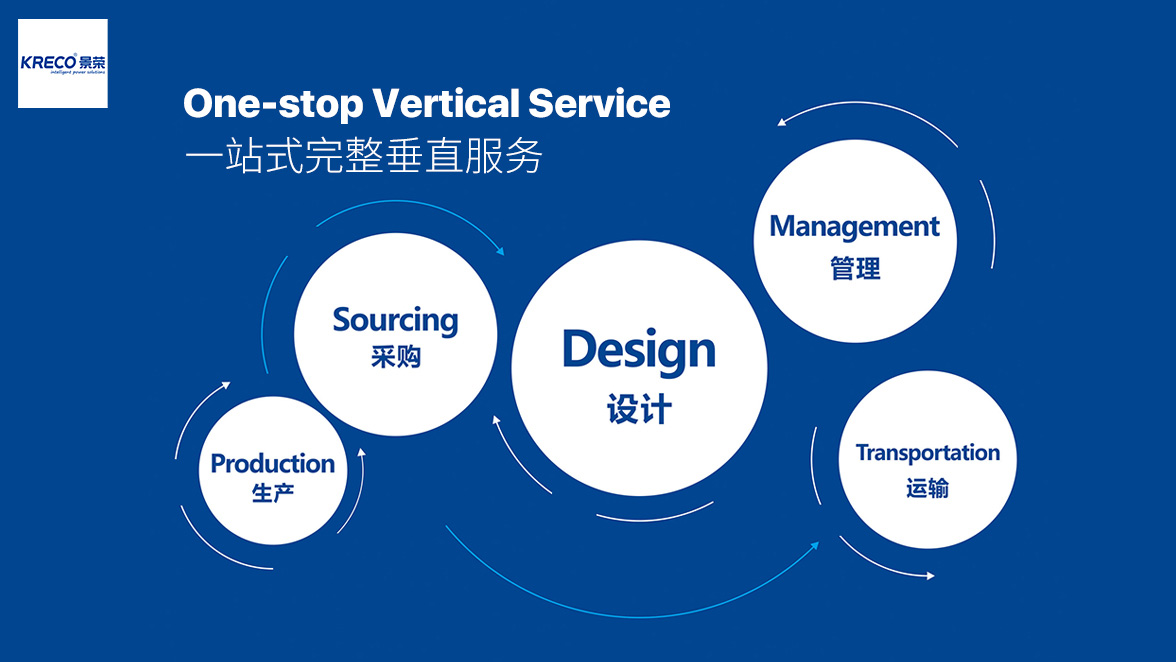
For KRECO, this policy is not a change. It is a confirmation of practices we have followed since day one. Every power adapter we ship carries the certifications required for its target market. Every batch is burned in before it leaves the factory. Every component is tracked from the moment it arrives at our warehouse to the moment it ships out the door.
These are not optional extras. They are the baseline for supplying power adapters into markets where failure is not an acceptable outcome.
You can pick a supplier just because they are cheap. That means you are taking on all the hidden risk — the risk of field failures, warranty claims, production delays, and damaged customer relationships. Or you can pick one with proven reliability. The kind of supplier that burns in every batch, traces every component, and carries the certifications your market demands.
The government policy has made the direction clear. The question is whether your supply chain is aligned with it.
 粤ICP备19148190号